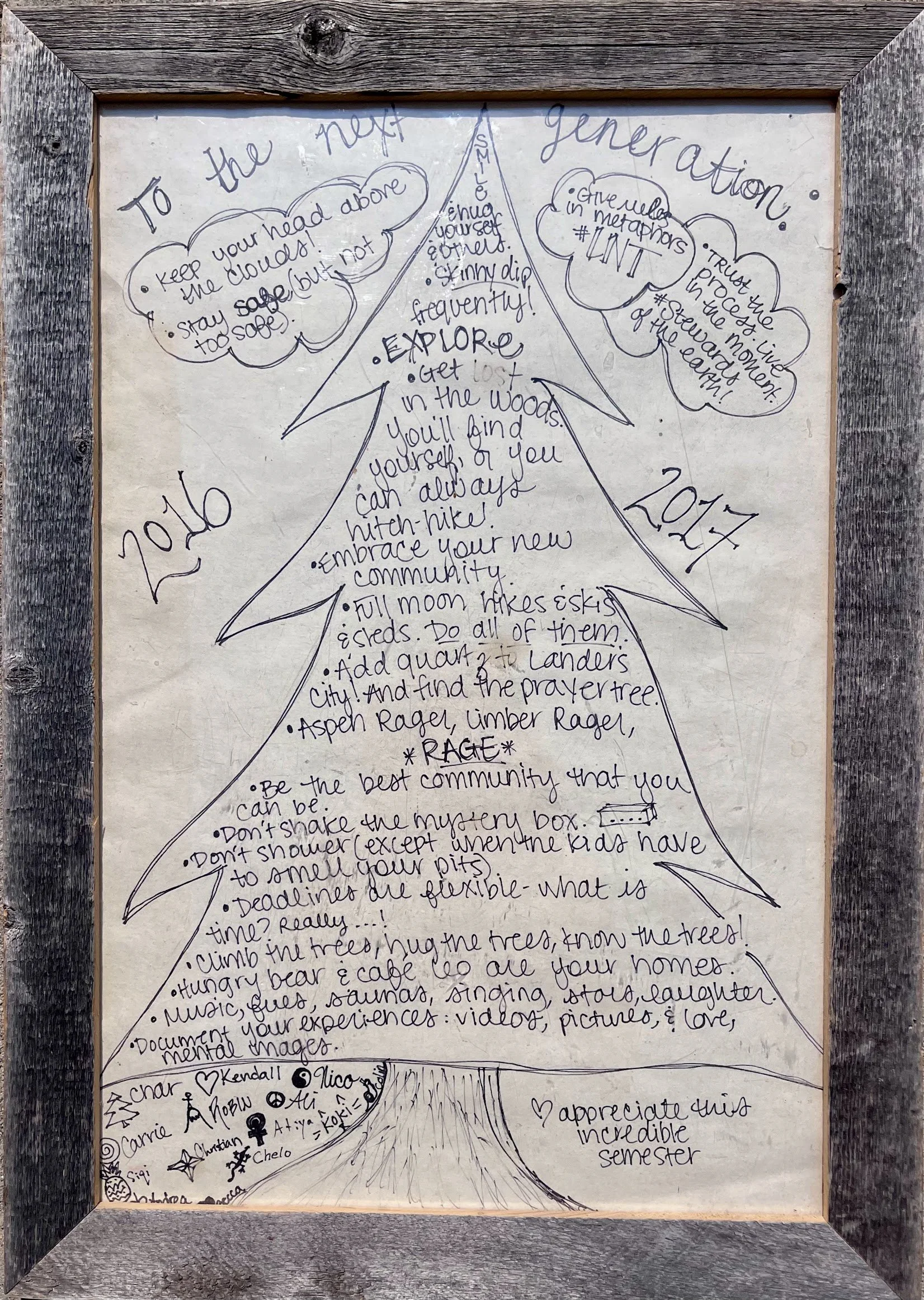
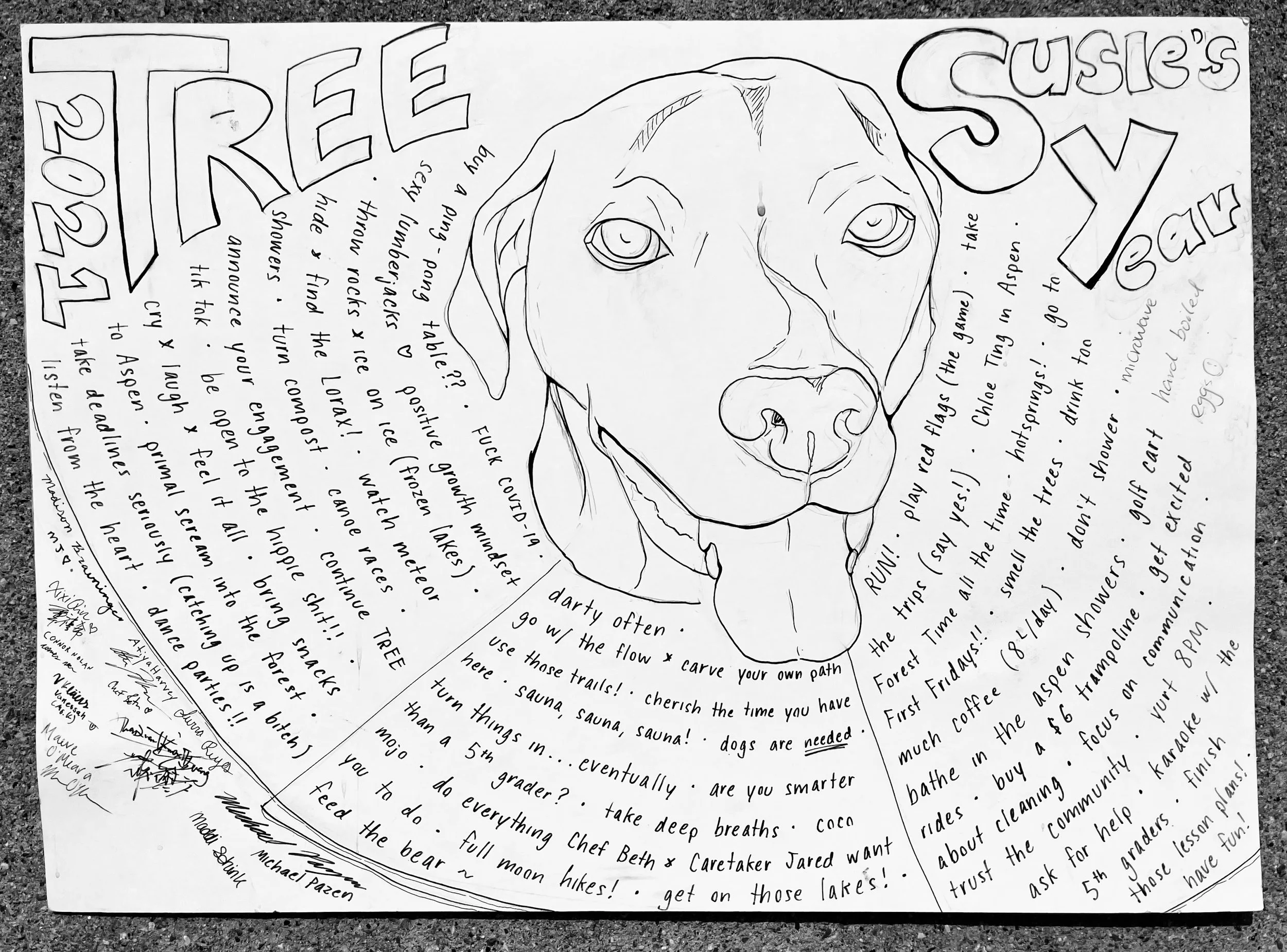
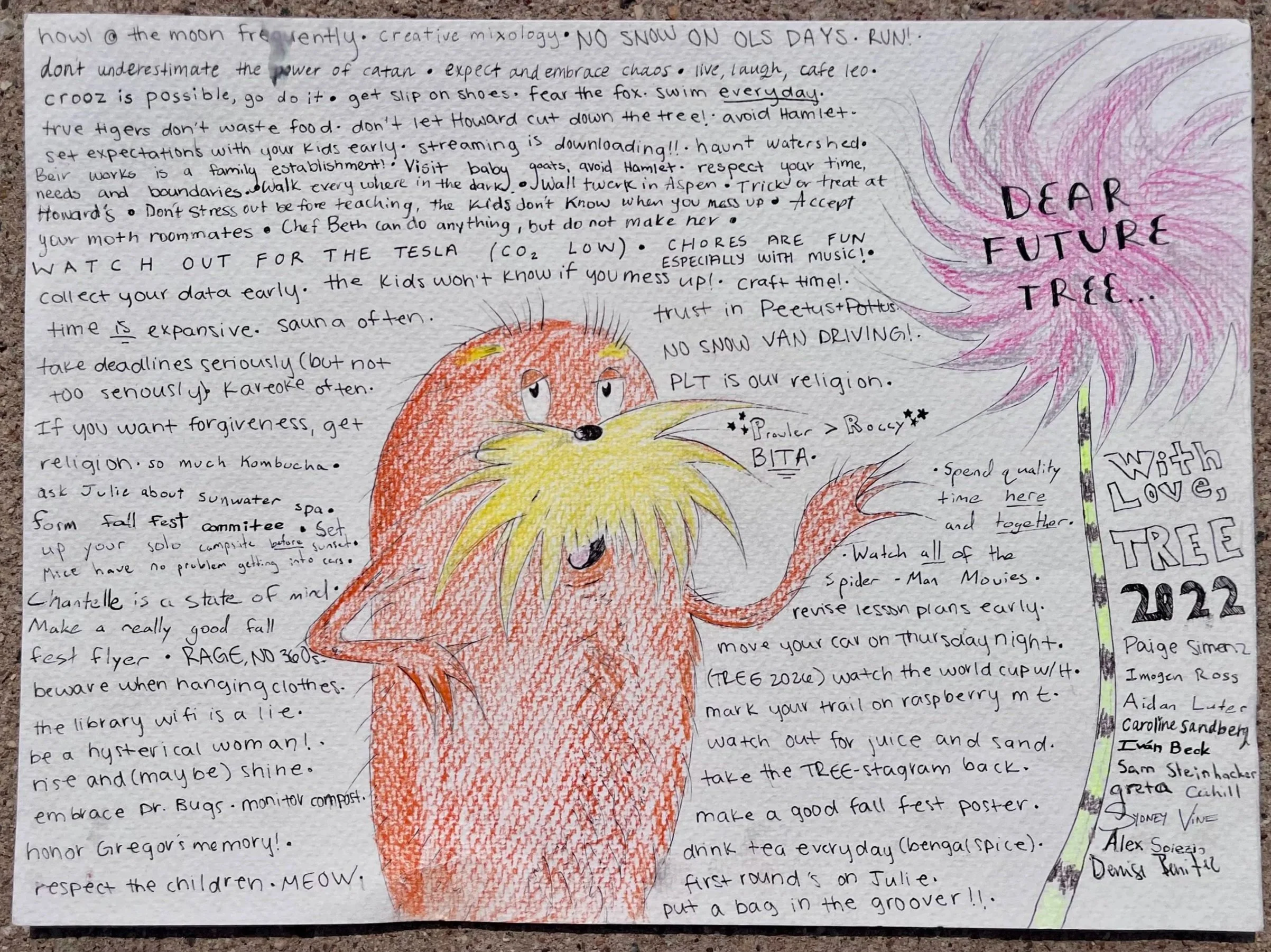
One of the first things I noticed when I arrived at the TREE Semester was a series of letters left behind by previous Colorado College students. Some were written on pieces of poster board and hung on the walls. Others were tucked onto bookshelves or among papers, waiting to be found.
The letters were thoughtful, funny, encouraging, and occasionally cryptic. They contained practical advice, reflections on community life, reminders, and suggestions. I don't know when the first letter was written or who started the tradition. Like so many of the best things about TREE, these letters didn't need an explanation. They were part of a useful past, a trace of folks who had been there before us and wished us well. They reminded us to take care of one another, to be present, and to choose to engage.
As the semesters progressed and we prepared for OLS, the principles of "Leave No Trace" became central to creating responsive, successful, and safe lessons. In one form or another, Stewards invited the visiting fourth- and fifth-grade students to move through the landscape with a kind of care that was scaffolded by understanding. Spending time in a natural place comes with a responsibility to move with awareness—to do less harm, less breaking, less stressing, and more connecting. Successful OLS lessons found their grounding in safety created through reciprocity.
Communities depend on traces. During the three semesters I lived and worked alongside CC Stewards, I found myself paying closer attention to the ways traces are left behind. Not traces that claim ownership or resist change. Traces that help people find their way. A welcoming note. A shared story. A tradition carried forward. Evidence that others have been here before and cared about what would happen after they left.
Looking back, I think that's why the letters mattered. They weren't keepsakes. They weren't orientation materials. They were one group of Stewards reaching out to the next.
Over the next three years, I watched that same spirit continue. We didn't set out to create a legacy. We were simply living together in a remarkable place. When something worked, we shared it. When something mattered, we spoke about it.
What would be useful for the people who come here after we are gone?
Some of the answers were small. We reworked the nature journal assignment with future visitors to the land in mind. Traditions shifted and evolved. The Talent Show became the Passion Show. We found new ways to welcome incoming Stewards, celebrate accomplishments, work through conflict, and say goodbye. Having spent many years watching communities form within the cycle of a school year, one of my favorite things to witness was how each class inherited the same foundation and quietly made it their own.
Other ideas grew into larger collective projects like The Field Guide for Paws, Hooves and Feet, STEW Magazine, and now the TREE Seasonal. Like the letters, these projects weren't meant to keep TREE the same. They gave each new community a place to begin.
We left our own traces.
The letters welcomed us into a living community.
I hope what we left behind did the same.
— Annie Stone
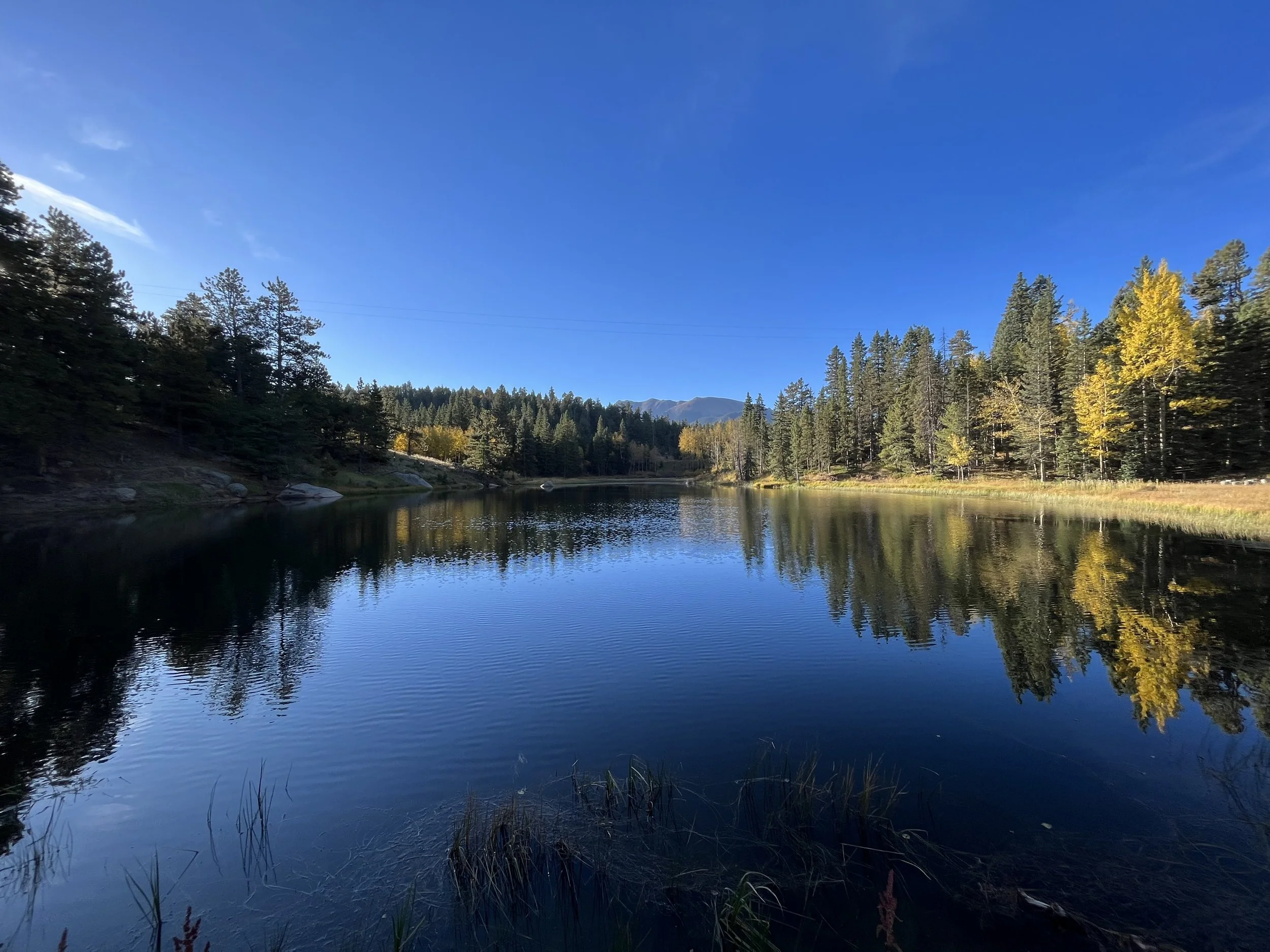
There's a moment from Tree Semester I keep coming back to.
It's the end of the day, and the stewards are gathered on the gravel lot. The sun is low, coming sideways through the aspens so every yellow leaf lights up from behind, and the air has that first edge of cold in it. The bus pulls away. The kids press their faces flat to the glass and wave — furiously, like they have to reach us one more time before the road carries them back down the mountain. We wave back just as hard.
It's strange how much that goodbye cost, every single day.
Because something had happened up there. Down on the duff, knees in the needles, we'd traced the claw marks worn into a ponderosa's bark and wondered together what had passed through. We marked our quadrats and learned to look — really look — at a single square of forest floor until it stopped being empty and turned out to be full of everything. Somewhere in all of that, the wide openness of the forest stopped being something to flinch from. The fidgeting settled. The restless energy found somewhere to go: into attention, and then into a shared, curious hunger to know what these woods were keeping.
College students, shepherding children through the montane mysteries of Catamount — and by day's end you couldn't always say who had been changed more.
So we waved. And every evening, watching that bus shrink down the road, I'd already be wishing them back.
- Chris Briggs-Hale
on the Solistice
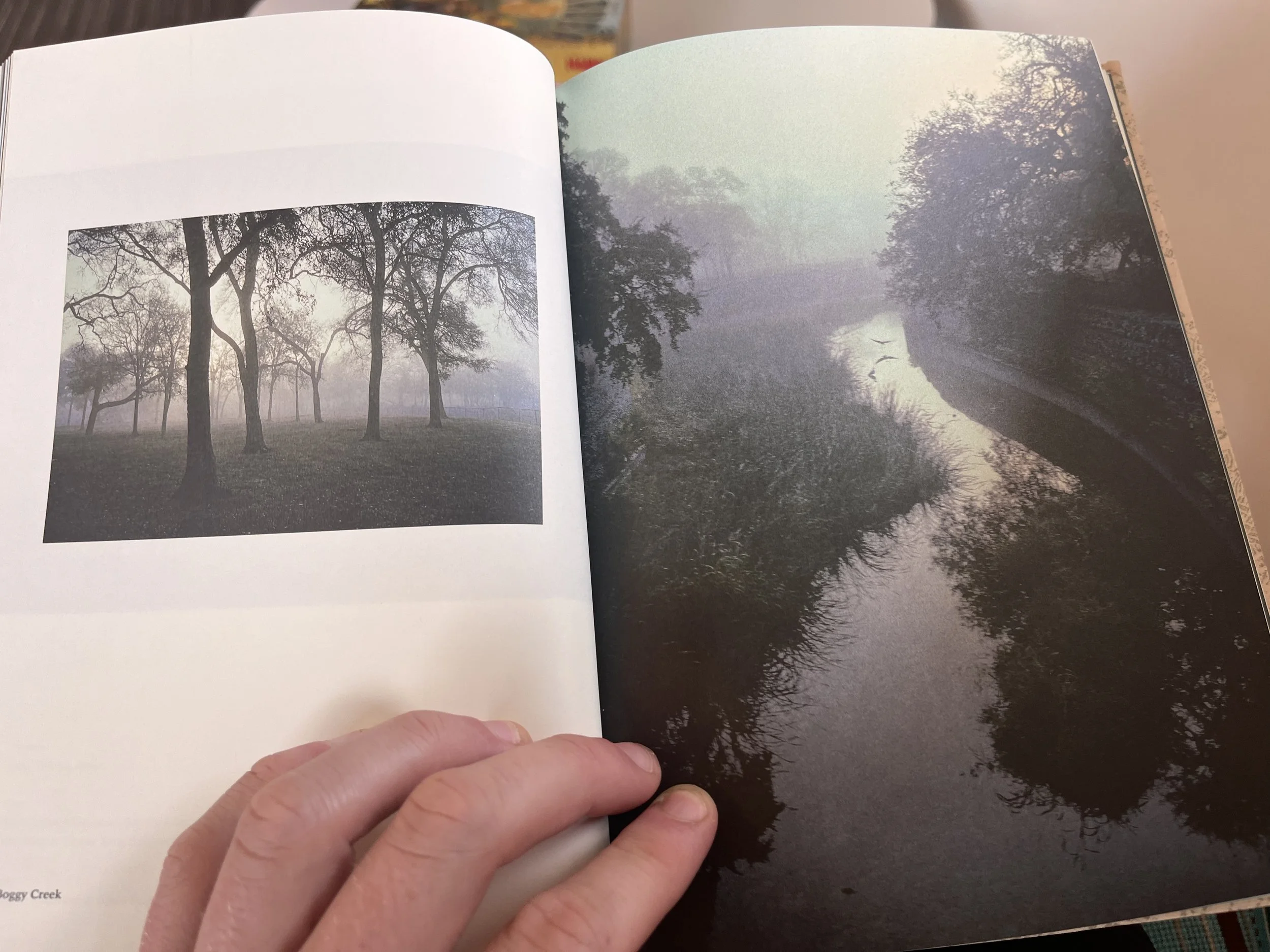
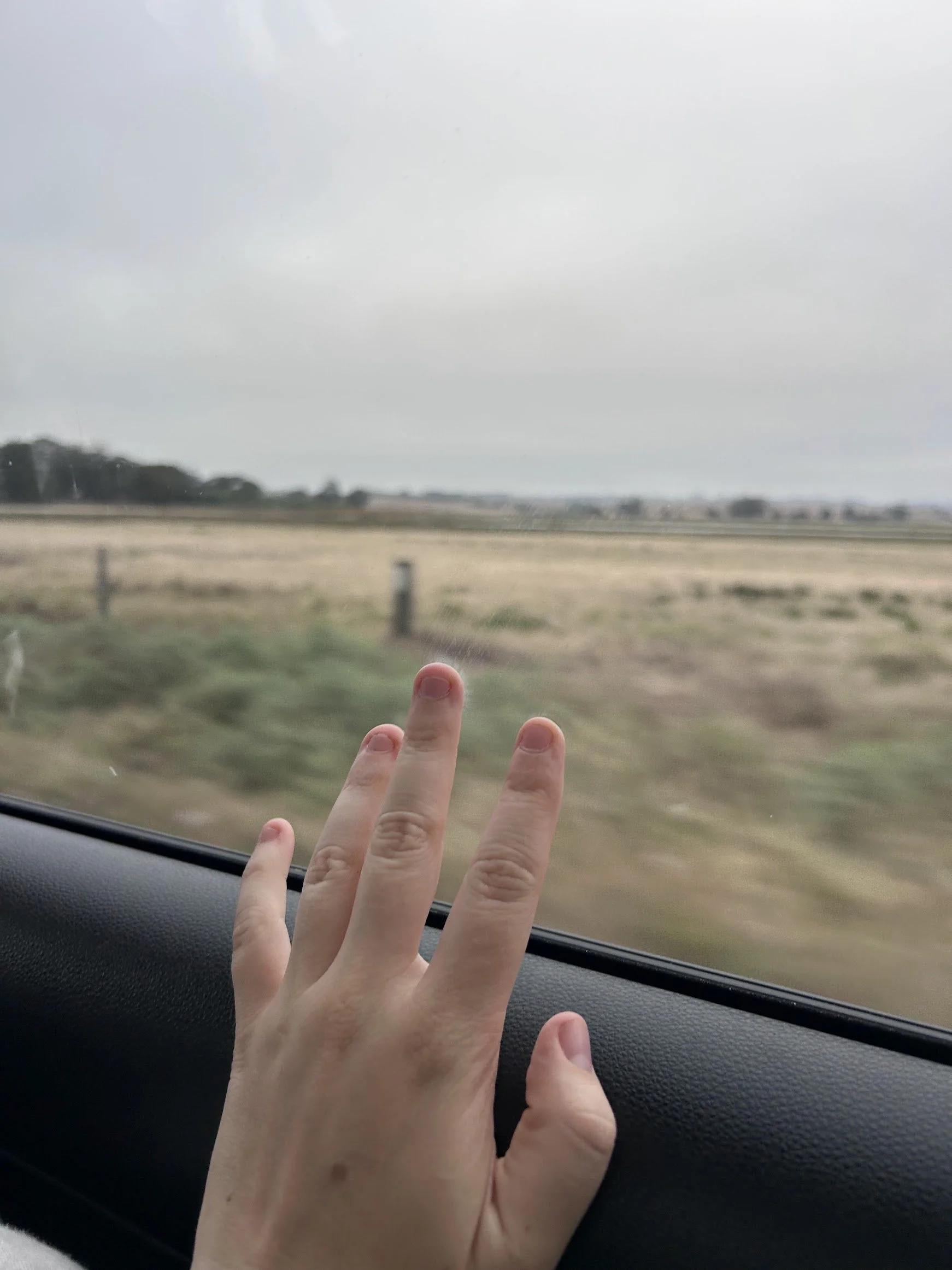
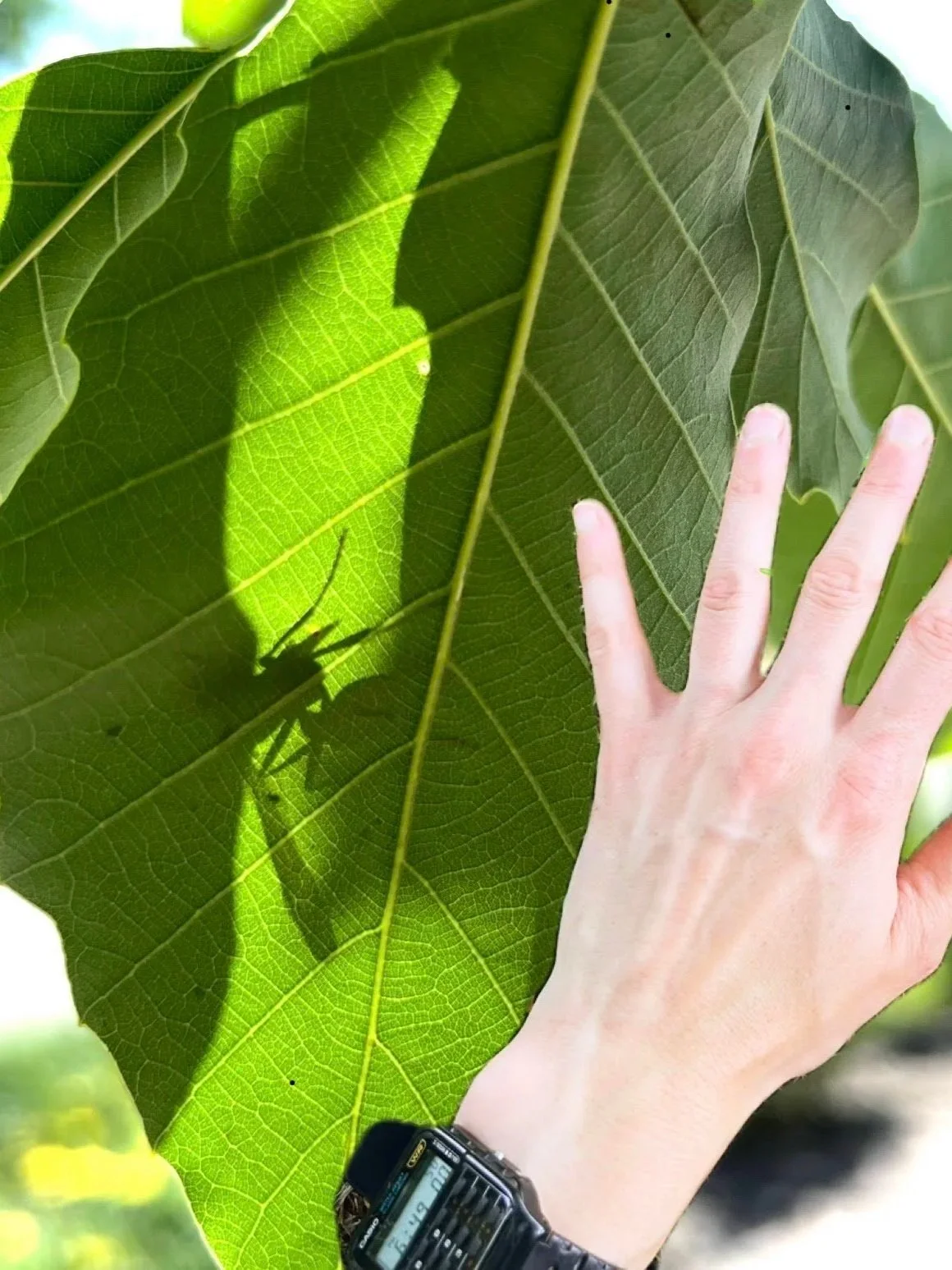
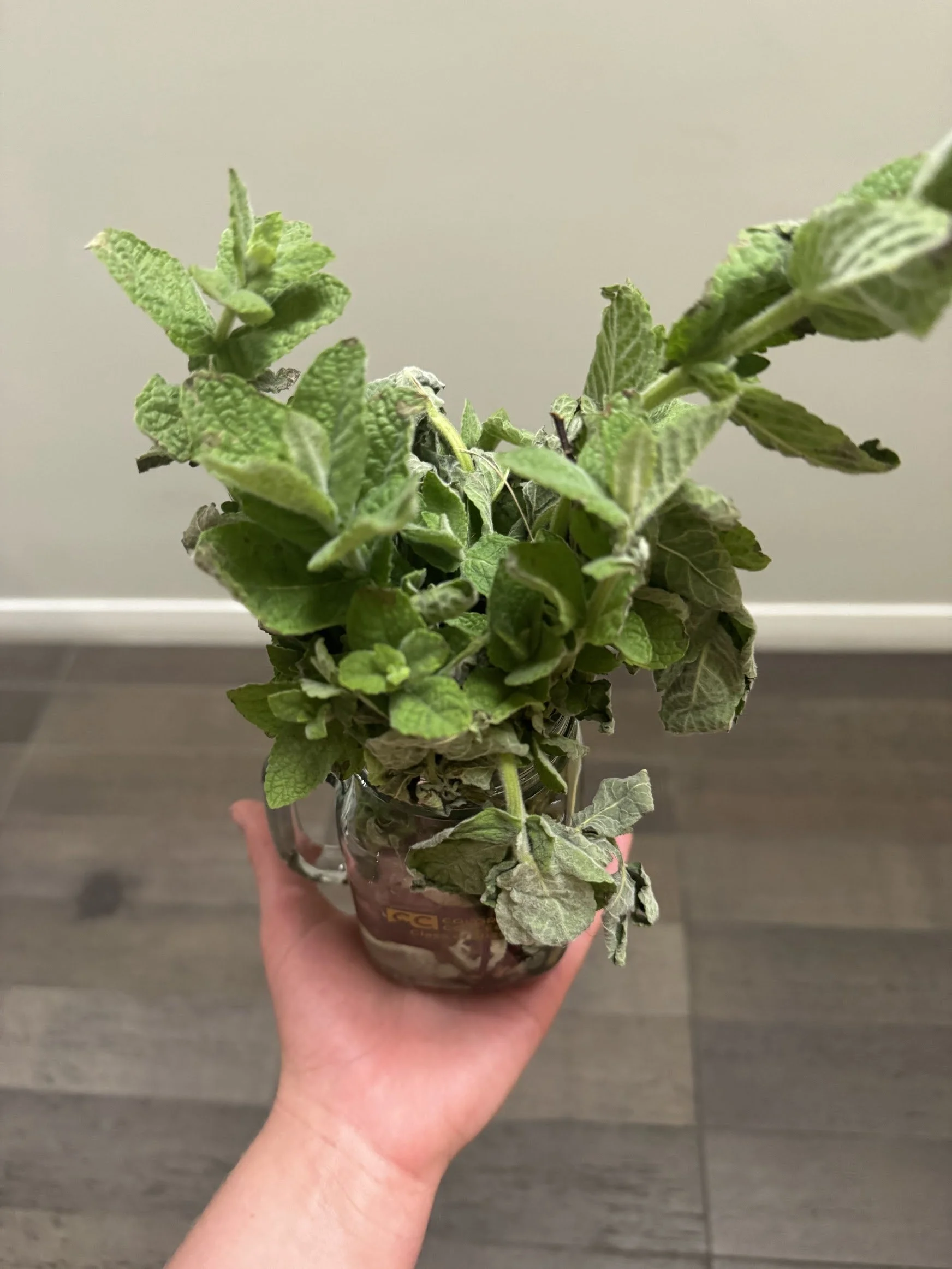
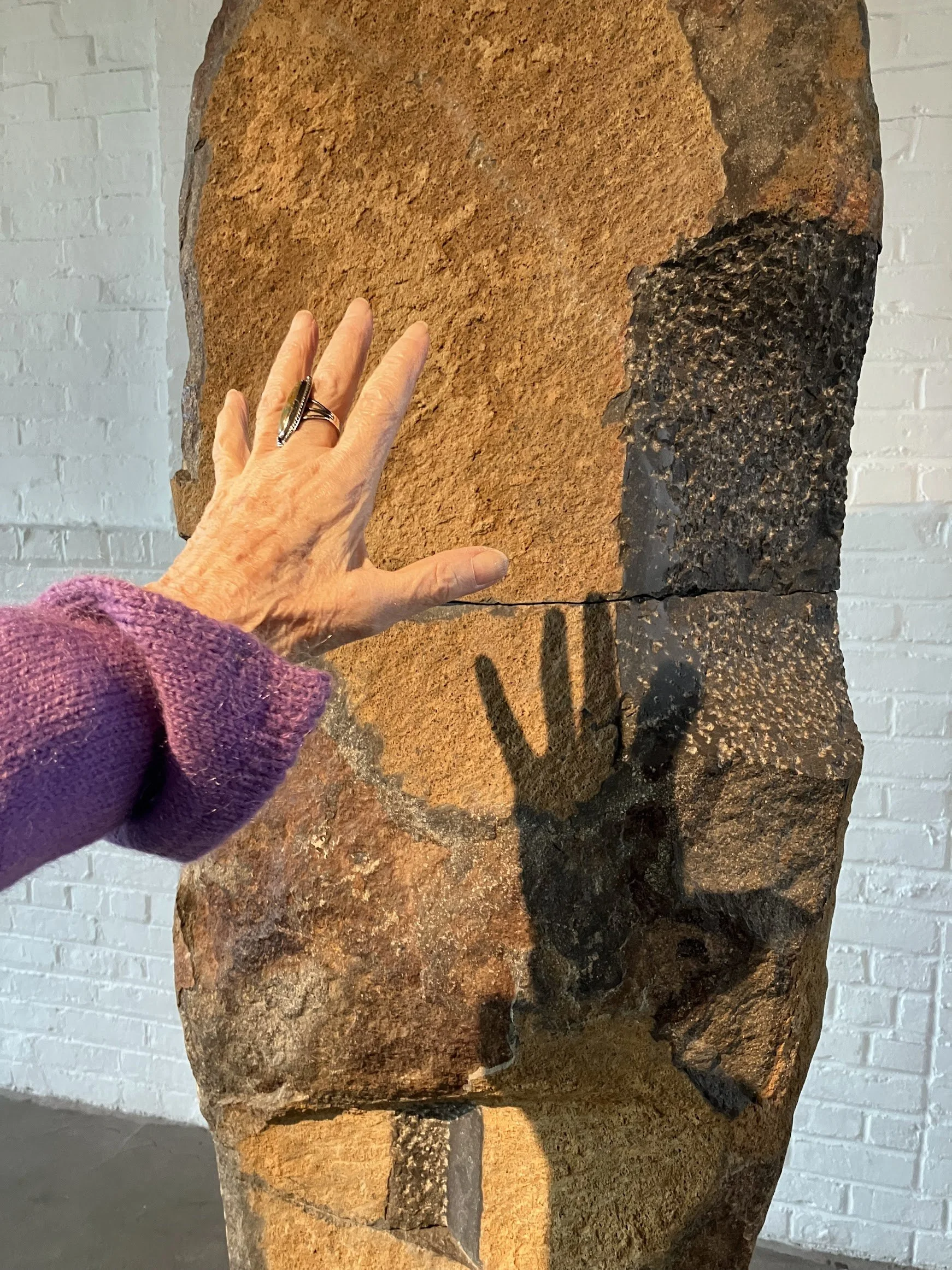
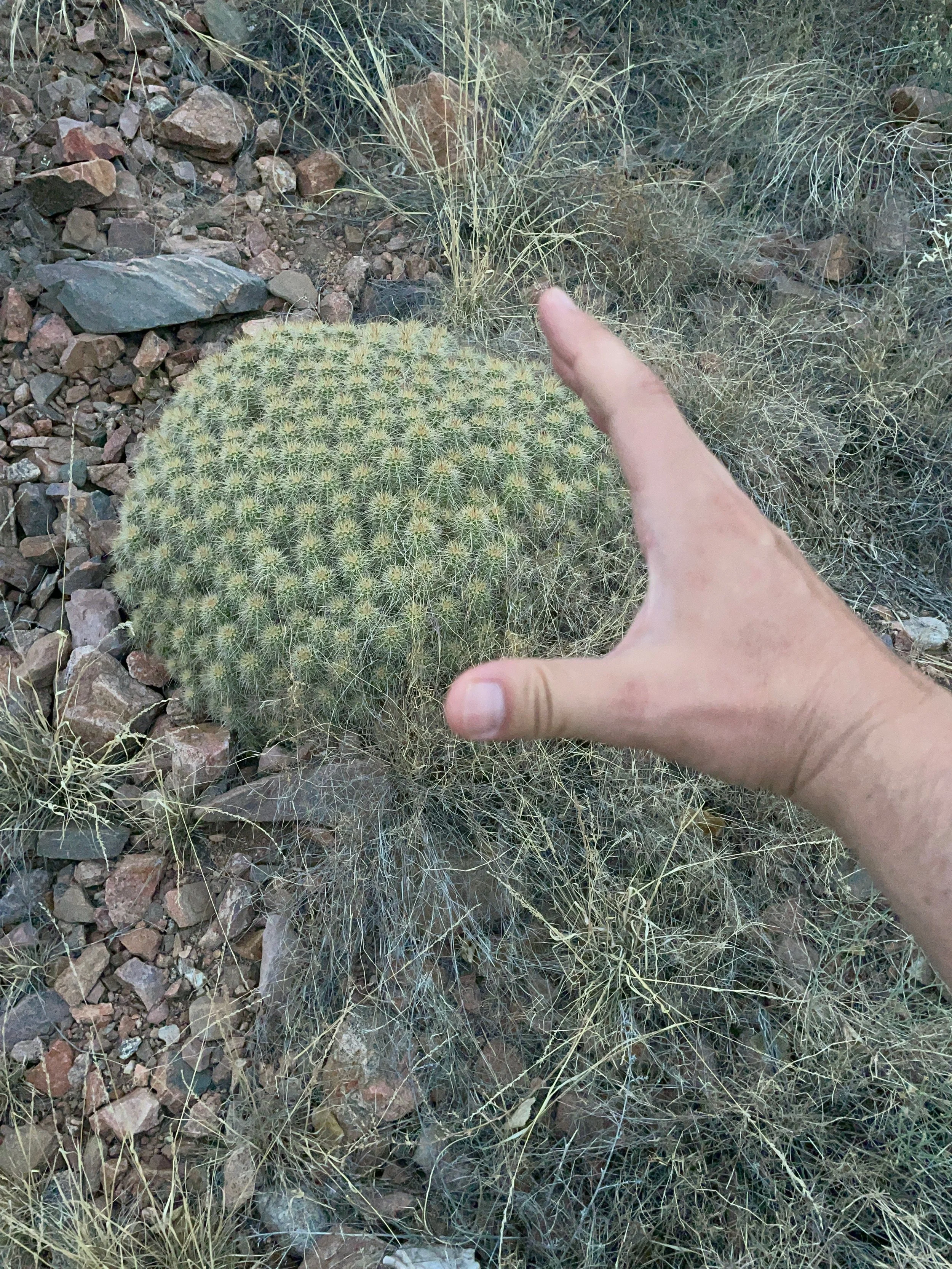
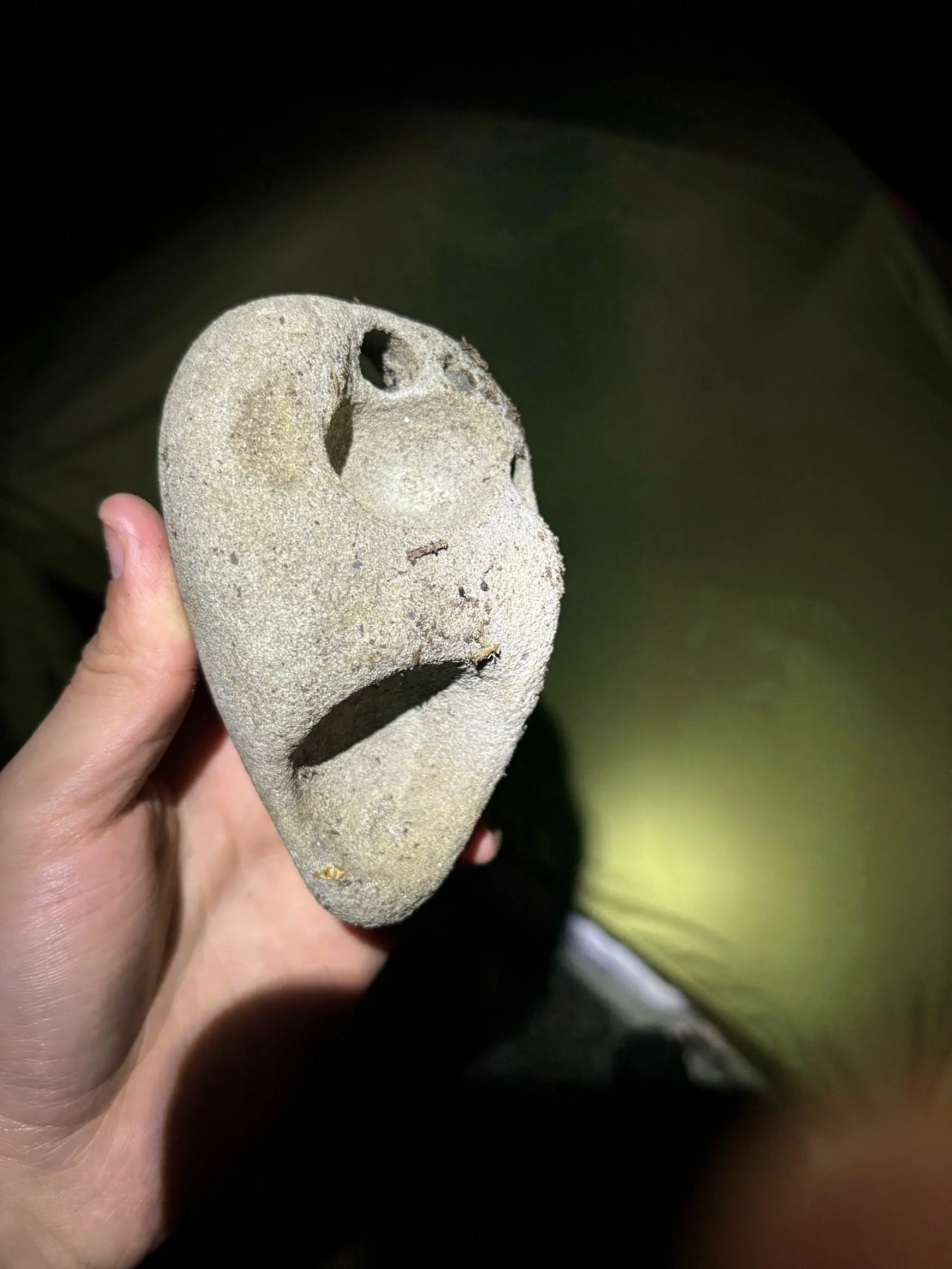
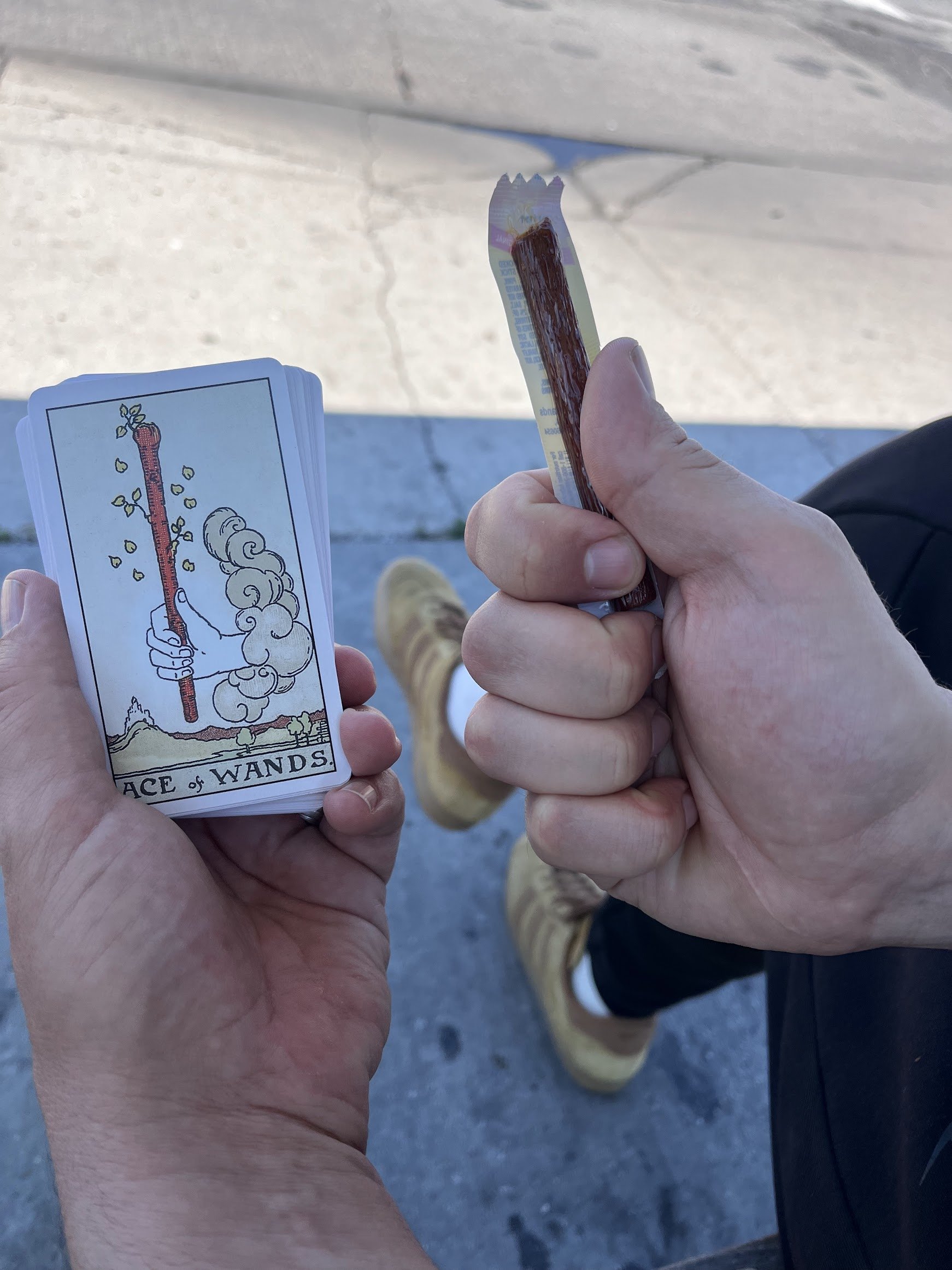
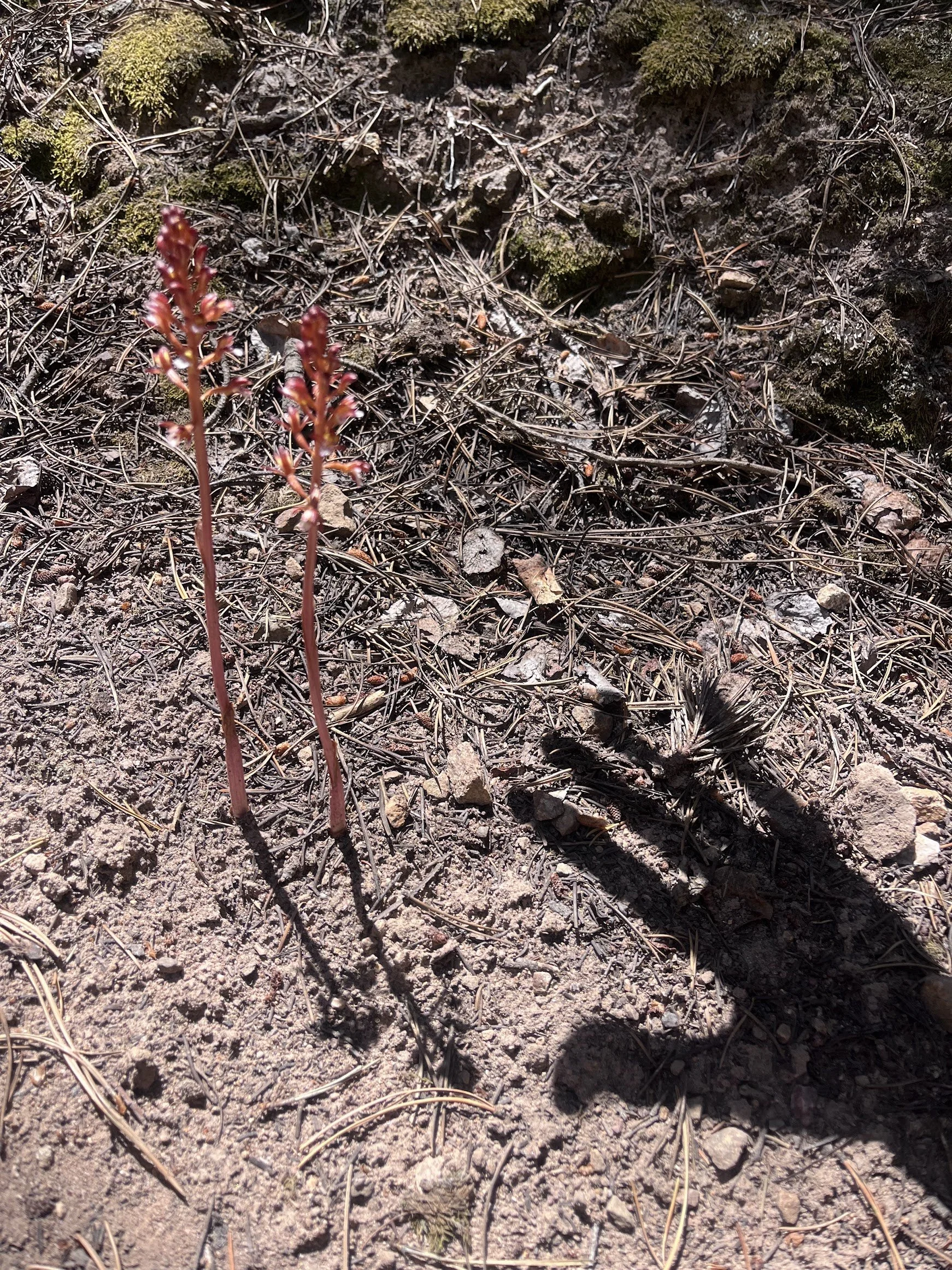
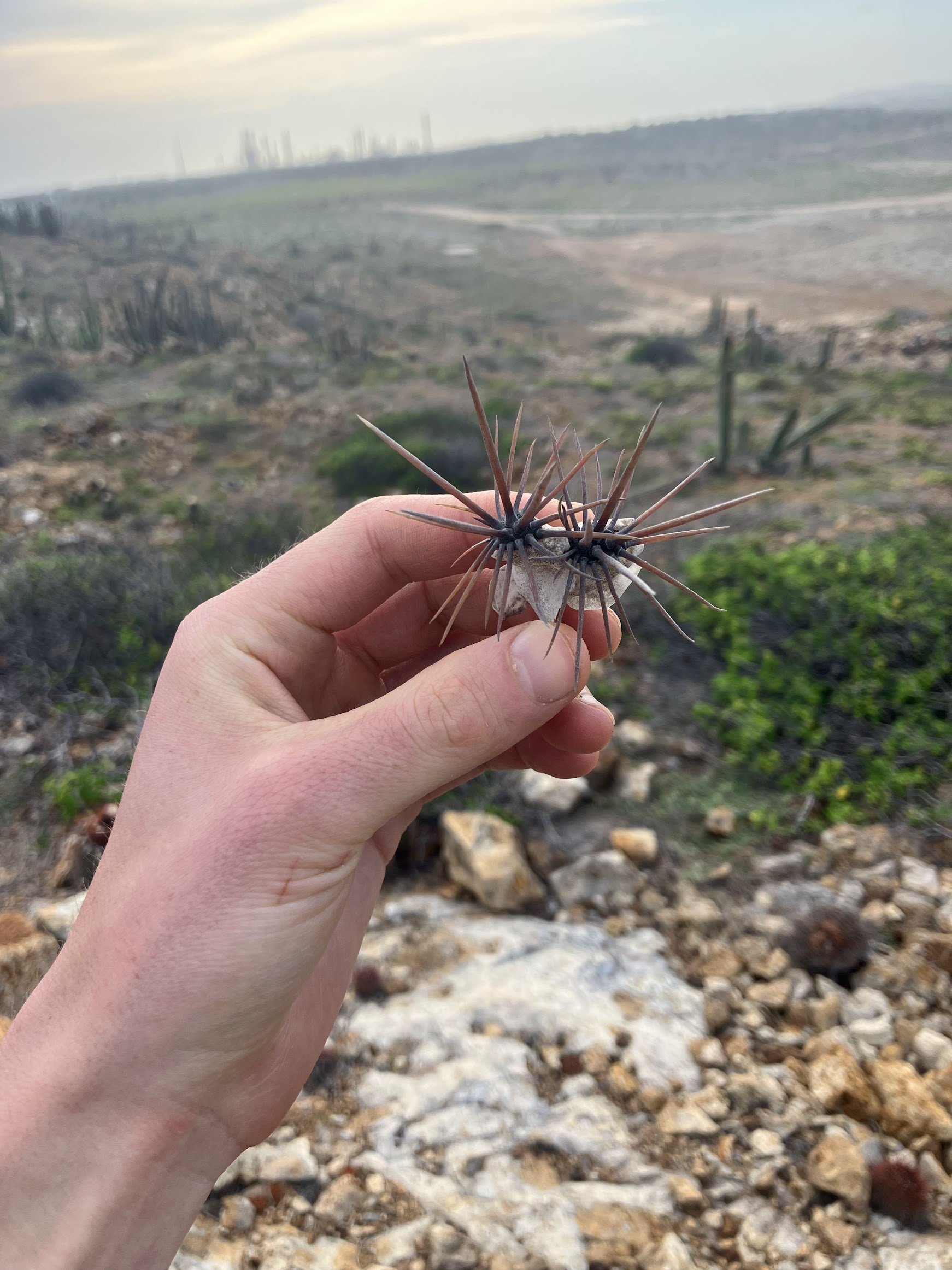
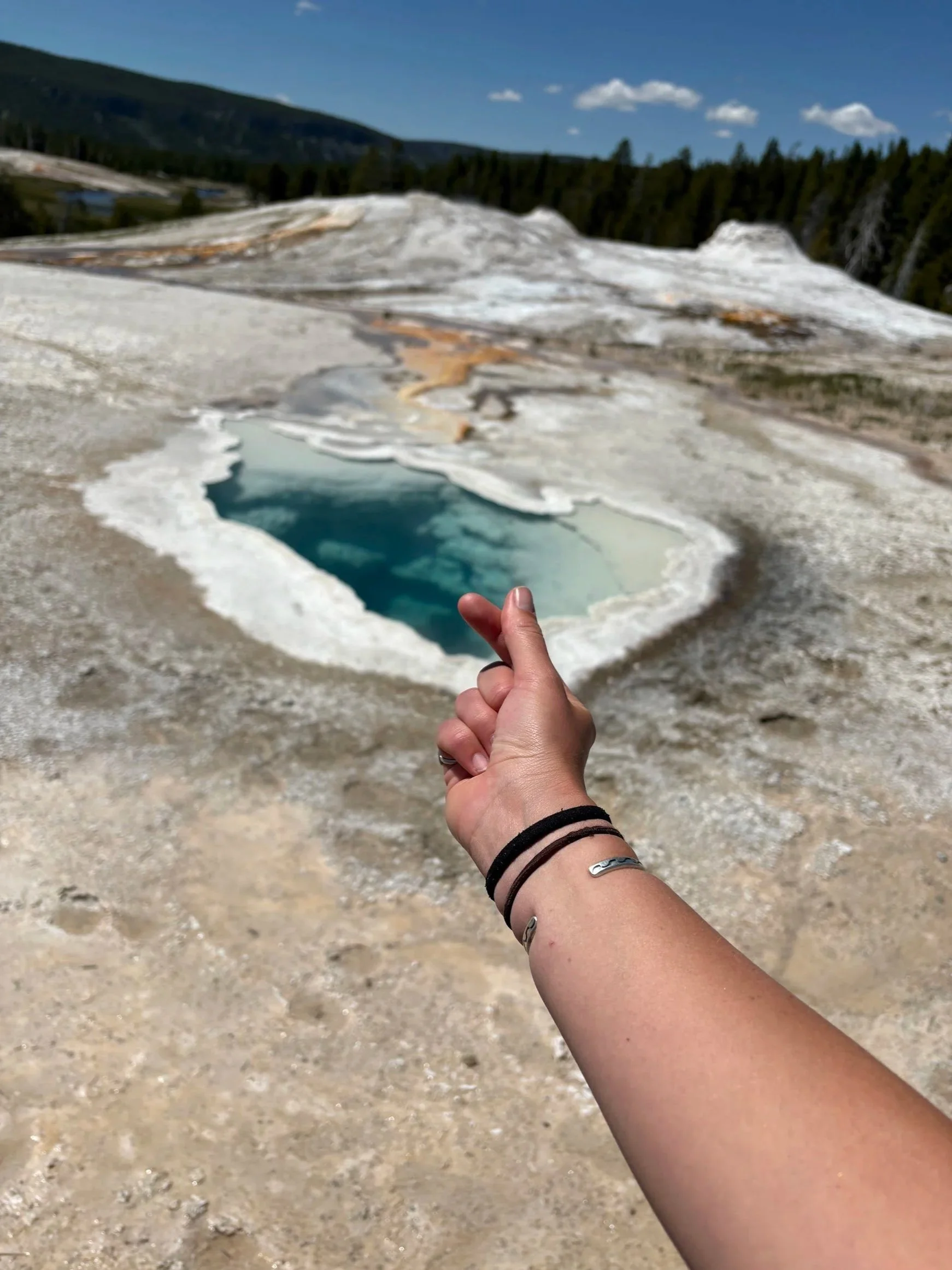
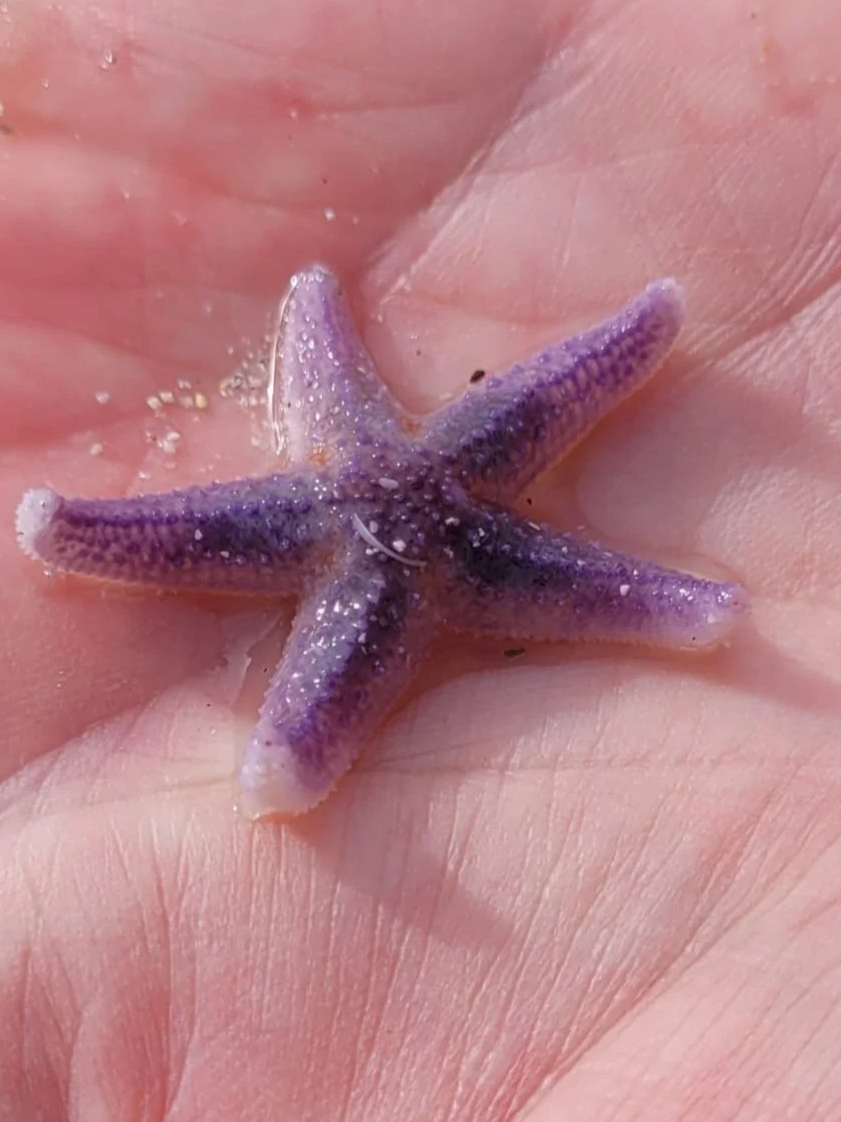
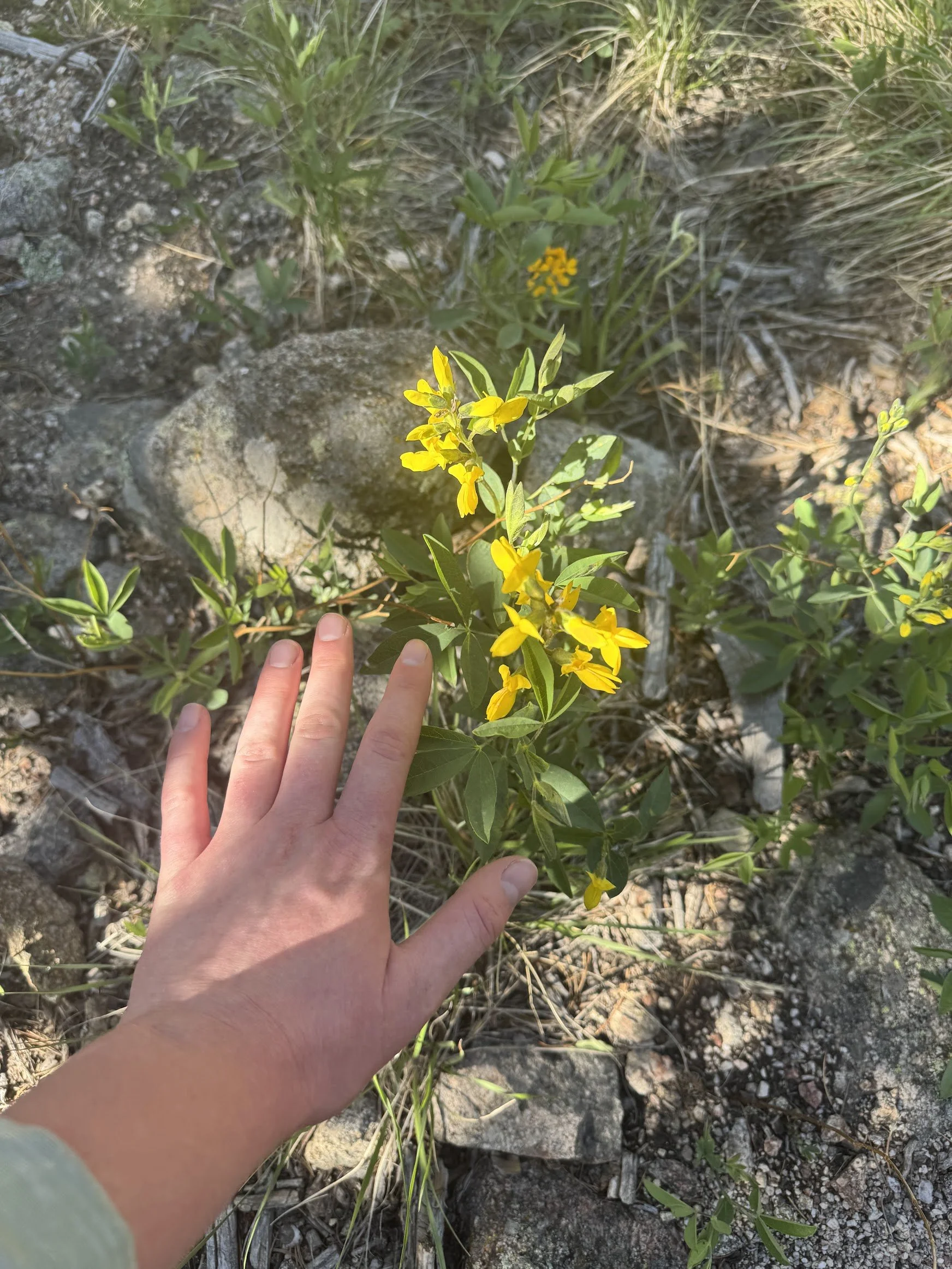
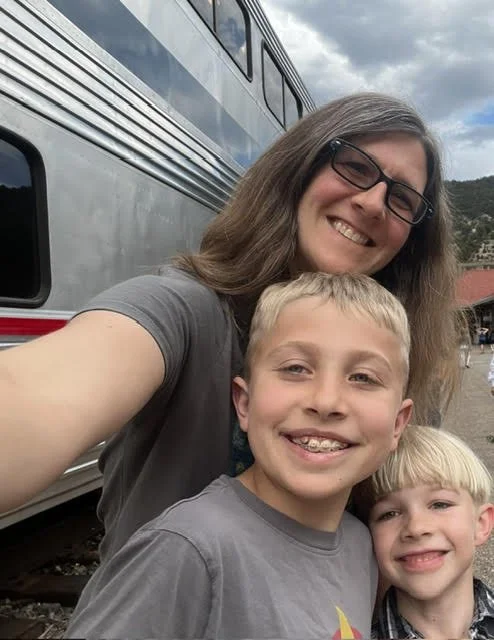
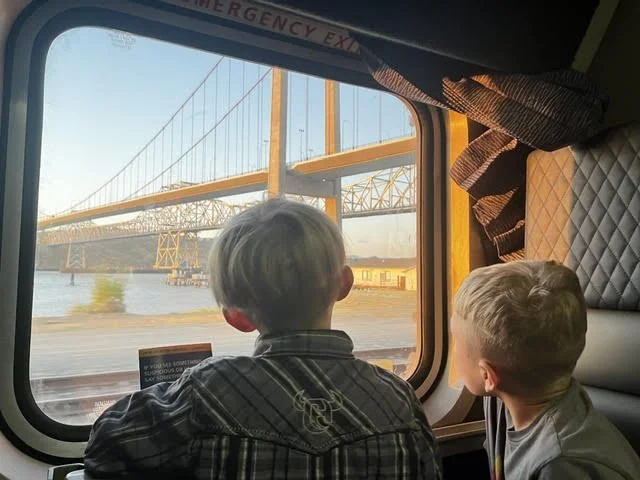
Traveling alone across the country with two young boys to meet their father on a business trip several states away, I was feeling vulnerable. Anyone who has traveled with or taught young children knows the weight of being solely responsible for their safety and wellbeing. The world can feel very large when you are carrying that responsibility alone.
We were rumbling across the Nevada desert aboard Amtrak's California Zephyr when my sons and I sat down for lunch in the dining car with two strangers. Within minutes, they felt like trusted long time friends.
A husband and wife from Florissant, Colorado, shared stories of their ranch, their conservation easement with Palmer Land Conservancy, and their commitment to environmental stewardship. They knew many of the same people and places familiar to the TREE community. They know Lee Derr, Celinda, and Harold. We talked about water, land management, stakeholders in the West, composting, and caring for the natural world. Their passion was contagious.
As our conversation unfolded, I realized why they felt so familiar. They reminded me of TREE alumni. They carried that same curiosity, generosity, and belief that caring for the land is inseparable from caring for one another.
Albert Camus wrote, “In the depth of winter, I finally learned that within me there lay an invincible summer.” As the summer solstice approaches, I find myself reflecting on that idea. The solstice marks the longest day of the year, a celebration of light, growth, and abundance. It reminds us that even in uncertain times, there are sources of renewal.
As the summer solstice arrives, I am reminded that stewardship is not only about caring for land and water. It is also about nurturing the connections that help us trust one another. Somewhere between the Nevada desert and Colorado's mountain valleys, over lunch with two strangers, I was reminded that the light we cultivate in our communities travels farther than we know.
-Tracy Jackson